
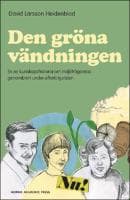
Den gröna vändningen : En ny kunskapshistoria om miljöfrågornas genombrott under efterkrigstiden
About this book
The Stockholm Conference 1972 drew the world’s attention to the global environmental crisis. To the inhabitants of Sweden, however, this threat to the planet and to humanity was nothing new. Anyone who regularly read newspapers, listened to the radio, or watched the television news would have encountered the issues. Five years earlier, in the summer of 1967, things were very different. At that time, it was not at all self-evident that humans were in the process of destroying their own living environment. Hence, in a short period of time, a radical change took place: an ‘environmental turn’. It had major and far-reaching consequences. But what was it that opened people’s eyes to the environmental crisis? When did it happen? Who set the ball rolling? And what does this historical process mean for us today? David Larsson Heidenblad’s book sheds new light on the emergence of modern environmentalism in Sweden and provides fresh insight to challenges that concerns us all.
Format
Digital book
Language
Not available
Publisher
Not available
SKU
Not available
Sponsored
Tanow helps you turn reading inspiration into action.
Save quotes, organize priorities, and track progress in a cleaner daily workflow built for focus.
Quote capture
Store meaningful lines and revisit them faster.
Daily planning
Keep tasks visible and simple throughout the day.
Habit progress
Build consistency with lightweight progress tracking.
Get Tanow on Google Play4.8/5 rating and 10,000+ downloads
TanowFocus Mode
Small actions repeated every day create visible progress.
Reading goal80%
Habit streak60%
Product details
The Stockholm Conference 1972 drew the world’s attention to the global environmental crisis. To the inhabitants of Sweden, however, this threat to the planet and to humanity was nothing new. Anyone who regularly read newspapers, listened to the radio, or watched the television news would have encountered the issues. Five years earlier, in the summer of 1967, things were very different. At that time, it was not at all self-evident that humans were in the process of destroying their own living environment. Hence, in a short period of time, a radical change took place: an ‘environmental turn’. It had major and far-reaching consequences. But what was it that opened people’s eyes to the environmental crisis? When did it happen? Who set the ball rolling? And what does this historical process mean for us today? David Larsson Heidenblad’s book sheds new light on the emergence of modern environmentalism in Sweden and provides fresh insight to challenges that concerns us all.